What to expect the first time
Most first times follow the same pattern: a long build of arousal, a growing fullness low in the belly, a sudden and very convincing urge to pee, and then a warm release if you let it happen. That release can be a few drops, a small wet patch, or a gush. All of it counts.
You are not unusual if it takes several tries. In a large survey by Hensel and colleagues (2024, n=4,270) about 41% of women said they had ever squirted, and in a Swedish study by Påfs and colleagues (2024, n=1,568) 58% reported the experience. So it is common, but far from automatic, and many of those women only got there after some practice. Our page on what squirting feels like describes each stage in detail.
Forget what porn showed you
Porn tends to show huge, dramatic arcs of fluid on cue. Real first times usually look nothing like that. Small amounts are common, especially early on, and the amount says nothing about how good it felt or whether you did it right.
It also helps to know that researchers do not treat every wet moment as the same thing. Pastor and Chmel (2022) describe three different phenomena that often get lumped together: squirting (a larger amount of thin fluid), female ejaculation (a small amount of thicker, milky fluid) and coital incontinence. Your first time might be any mix of these, and none of them is a failure.
How to prepare
Preparation is mostly about removing the reasons to hold back. The urge to pee is the moment almost everyone stops, so set things up so that you can trust it.
- Pee first. Then you know that what builds up later is arousal fluid, not a full bladder from the afternoon.
- Towel or waterproof blanket. If you are not worried about the sheets, you will not clench.
- Time. Block out at least 30 to 45 minutes with no pressure to finish.
- Relaxation. A warm shower, slow breathing, dim light, phone away.
- Water nearby. Staying hydrated helps, and you may feel thirsty afterwards.
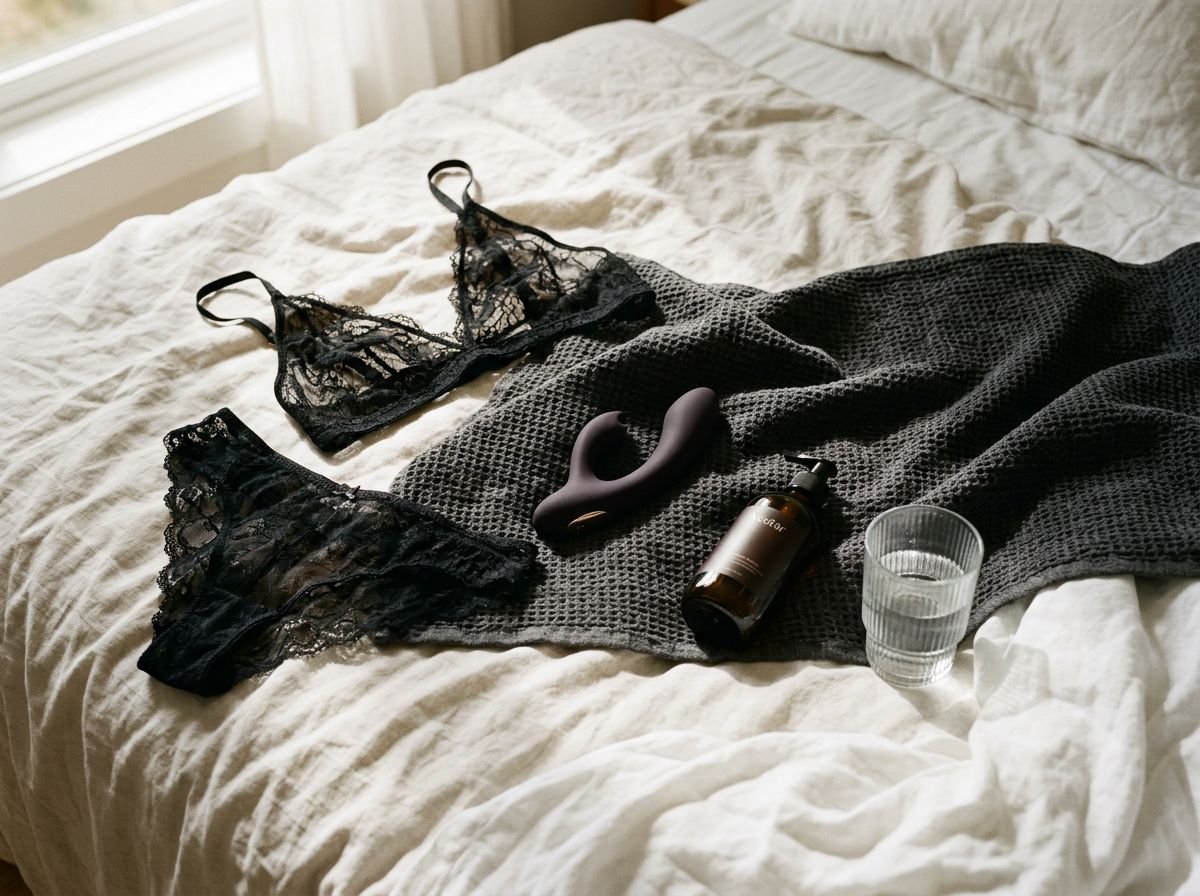
A simple first-session plan
Solo. Start with a long warm-up of whatever you already enjoy, ten minutes or more, until you are clearly aroused. Then add steady, firm pressure on the front wall of the vagina, the G-spot area, with fingers or a curved toy, while keeping some clitoral stimulation going. Keep the rhythm steady rather than fast. When the fullness builds, do not chase it; just keep going. Lying back with knees bent or sitting on the edge of the bed both work well; see squirting positions for more options.
With a partner. The same steps apply, with one change: talk first. Agree that the goal is pleasure, not a result, and that stopping at any point is fine. The partner keeps a calm, steady rhythm and checks in with a word or a look rather than speeding up. Our guide on how to make a woman squirt covers the partner side step by step.
Recognising the urge and letting go
The urge feels exactly like needing to pee, because the bladder really is involved. Salama and colleagues (2015) used ultrasound to show that the bladder fills during arousal and empties after squirting, and that the fluid is mostly very dilute fluid from the bladder, often with secretions from the Skene's glands (which showed up as PSA). Inoue and colleagues (2022) confirmed the bladder source with a harmless blue dye. If you want the full answer, read is squirting pee?
Knowing this makes the moment easier. You peed first, so let the feeling come. Breathe out slowly, soften your belly and pelvic floor instead of clenching, and if it feels natural, bear down very gently. Many women describe it as giving permission rather than doing something.
What if only a little comes out?
That is a real first time, and a very common one. A few drops or a damp towel means your body did the thing; the rest is practice and relaxation. Amounts often grow as the fear of letting go fades.
And if nothing comes out at all, that is fine too. Not every woman squirts, and it says nothing about your body or your sex life. If you keep reaching the urge but nothing happens, why can't I squirt? covers the most common blocks.
Emotions afterwards, and how a partner should react
The first time often brings a rush of feelings at once: surprise, a flash of embarrassment, giggles, relief, sometimes tears. All of that is normal. Many women also feel a wave of deep relaxation, as if they let go of something they had been holding for years.
For a partner, the reaction matters more than anything you did before. Stay close, smile, say something warm and simple, and treat the wet towel as no big deal. Do not joke about the mess or make it a performance. The good news: in the Påfs study, 86% of partners felt positive about it. Ask afterwards what felt good, and keep it light.
What comes next
After a first time, most women find it easier to get there again, because the biggest block, fear of the urge, has already been broken once. Keep the same habits, pee first, towel, time, and try small variations in pressure, rhythm and position. Some sessions will end in squirting, many will not, and both are good sex. For the full method, see how to squirt.
Sources: Salama et al., Journal of Sexual Medicine (2015); Inoue et al. (2022); Pastor & Chmel, Clinical Anatomy (2022); Hensel et al. (2024); Påfs et al., Sexual Medicine (2024).
Frequently asked questions
What does your first time squirting feel like?
Usually a growing fullness and pressure, then a strong urge to pee, then a warm release followed by relaxation. Many women are surprised by how emotional it feels.
Is it normal to only squirt a little the first time?
Yes, very normal. Small amounts are common, especially early on. The amount says nothing about how good it felt.
How long does it take to squirt for the first time?
Plan at least 30 to 45 minutes including a long warm-up. Many women need several sessions before it happens.
Should I pee before trying to squirt?
Yes. Peeing first means you can trust that the later urge is the signal, not a full bladder, which makes letting go much easier.
Is squirting the first time just pee?
Research shows the fluid comes mainly from the bladder but is very dilute, often with secretions from the Skene's glands. It is thin, clear and nearly odourless.
Can I squirt the first time with a partner?
Yes, but many women find it easier solo first, with no one to worry about. With a partner, talk first and agree there is no pressure to succeed.
Why did I cry after squirting for the first time?
Releasing a lot of built-up tension can bring emotions to the surface. Tears, laughter and relief are all common and normal.
How should a partner react the first time?
Stay close, be warm and relaxed, treat the wet towel as no big deal and never joke about the mess. In one study 86% of partners felt positive about it.
Can every woman squirt?
Not every woman does. Studies report that around 41 to 58% of women have experienced it, so it is common but not universal.
What should I do after my first time?
Keep the same habits, pee first, towel and time, and experiment with small changes in pressure, rhythm and position.